

Ecology
Ancient gill streams. Diverse wildlife habitats. An informal record of High Weald biodiversity, observed across the estate — and the foundation for a formal survey programme.
Ecology in Brief
- Multiple UK BAP priority habitats — ancient woodland, medieval hammer pond, species-rich grassland
- Protected and notable species on the informal record; formal surveys planned
- Exceptional darkness — minimal light pollution, significant bat foraging activity
- Conservation governs access — commercial activity is designed around ecological outcomes
Ecology Is the Purpose, Not the Context
Bay Pond Shaw's ecology is not a backdrop to its activities. It is the reason the estate exists in its current form, the primary obligation on every land management decision taken here, and the most significant long-term asset the estate holds.
The estate sits within the High Weald National Landscape — a designated area of outstanding ecological and landscape value that includes some of England's most intact ancient forest systems. Bay Pond Shaw's contribution to this wider landscape is its scale of undisturbed habitat, its gill stream system, and the hammer pond which forms the hydrological centrepiece of the estate.
Bay Pond Shaw also lies within the Downgate Wood and Roughland Wood Local Wildlife Site (ref. TW30) — a site identified by Kent Wildlife Trust and recognised by Tunbridge Wells Borough Council for its county-level wildlife importance. Local Wildlife Sites are selected on scientific criteria and represent some of the most valuable wildlife habitat outside the nationally designated nature reserves. The estate's ancient woodland and spring-fed gill system form part of this living, connected landscape — precisely what the estate's conservation-led management exists to protect.
Conservation monitoring at Bay Pond Shaw is informal but systematic: bird records, bat transects, invertebrate observations, and water quality assessments are maintained as part of the estate's ongoing management record. This data informs management decisions and contributes to the long-term ecological profile of the estate.
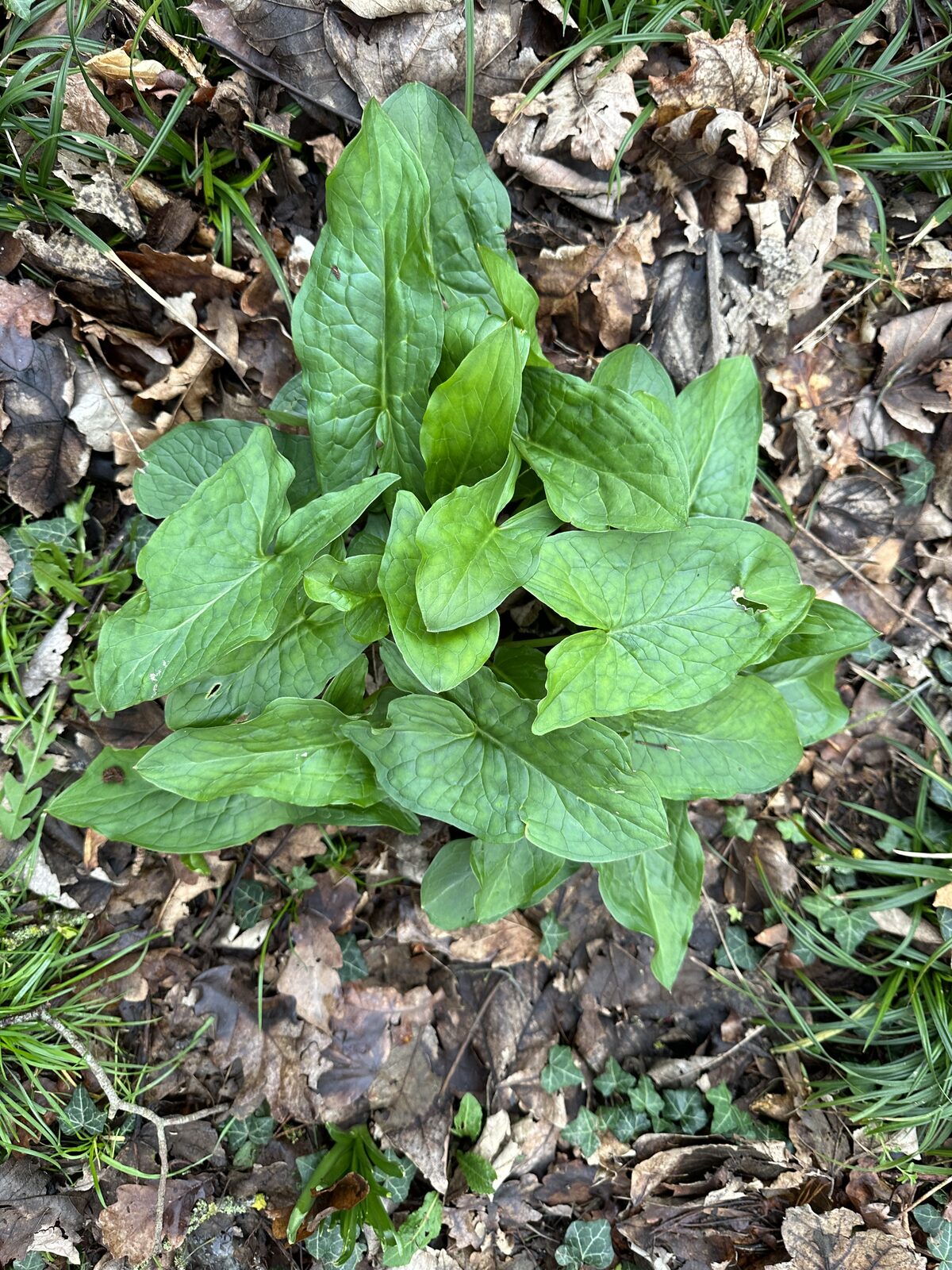
Priority Habitats on the Estate
The estate supports a number of UK Biodiversity Action Plan priority habitats — habitat types considered of principal importance for the purpose of conserving biodiversity.
Common buzzard, great spotted woodpecker, nuthatch, song thrush, wren, robin, great tit, blue tit, blackbird, stock dove, wood pigeon, carrion crow, collared dove. Kingfisher and grey heron observed at the lake margin. Significant bat foraging activity recorded over the lake and woodland edge — formal acoustic survey pending species identification.
Roe deer and badger recorded regularly on the estate. Fox present. Water vole habitat structurally suitable along the gill stream margins — formal survey pending confirmation. Dormouse strongly indicated by hazel coppice structure — formal survey not yet completed. Bat foraging activity consistent over the lake and woodland edge.
Grass snake recorded on the estate — the lake margin and gill stream corridor provide ideal basking and foraging habitat. Common toad and common frog both present and breeding. The damp woodland margins and estate pond support a healthy amphibian community.
Multiple dragonfly and damselfly species recorded over the lake. Glowworm confirmed in the woodland margins. Diverse butterfly, moth, beetle, and fly assemblage consistent with unimproved grassland, ancient woodland, and freshwater habitats. The clarity and condition of the gill streams is consistent with high water quality — formal invertebrate assessment under RIVPACS methodology is on the planned survey list.
Multiple fungal species recorded across the estate. The ancient woodland supports a particularly rich fruiting body assemblage in autumn — the continuity of undisturbed soil structure and canopy cover is strongly associated with mycorrhizal diversity. Formal survey not yet completed.
Ancient woodland indicators including bluebell, wood sorrel, wood anemone, and hart’s tongue fern. Meadow supporting yellow rattle, oxeye daisy, knapweed, ragged robin, betony, common spotted orchid, and devil’s-bit scabious. Lake margins carry sedge, yellow iris, and fern. Notable trees include a mature lime and dawn redwoods on the estate.
Exceptional Darkness. Minimal Light Pollution.
Bay Pond Shaw sits in a hollow within the High Weald, surrounded by farmland and ancient woodland on all sides. There is no street lighting within view of the estate. No nearby town glow on the horizon. No passing headlights. On clear nights, the darkness here is absolute in a way that is increasingly rare in south-east England.
The ecological significance of genuine darkness is substantial and often overlooked. The estate supports consistent and significant bat foraging activity over the lake margin and woodland edge corridor — a primary foraging route recorded on summer evenings. Formal acoustic survey to identify species composition has not yet been completed and forms part of the estate’s planned survey programme. Tawny owls are resident. The insect communities of the estate — particularly moths, which form a critical food base for bats and nightjars — depend on the absence of artificial light disrupting their behaviour.
No external lighting is installed on any part of the estate. This is a management decision, not an oversight. The dark sky quality here is a habitat asset and it will remain one. Guests who stay overnight frequently describe the night sky from the lake platforms as one of the most memorable aspects of their visit — the Milky Way visible on clear nights, the silence broken only by the call of owls and the occasional splash of a feeding carp.
No path lighting, no security floodlights, no decorative lighting of any kind. The estate is managed dark by policy. The nocturnal ecology depends on it.
Significant bat activity has been recorded consistently over the lake margin and woodland edge corridor. Formal acoustic survey has not yet been completed. Species identification and population assessment are priorities in the estate’s forthcoming survey programme.
No town glow. No road lighting within view. No neighbouring development visible from the estate after dark. The darkness here is measurable, consistent, and protected by the estate’s own management.

An Estate Ready for Formal Ecological Assessment
Bay Pond Shaw sits within the High Weald National Landscape and holds multiple UK Biodiversity Action Plan priority habitats. The estate’s informal monitoring record indicates a range of protected and notable species that are strongly indicated but not yet formally confirmed. A structured survey programme is the logical and necessary next step — one that would establish the estate’s full ecological baseline and provide the evidence base for targeted habitat management, grant applications, and conservation partnerships.
The estate welcomes approaches from ecological survey organisations, university research departments, and conservation bodies interested in working within a well-preserved High Weald site. Survey access can be arranged on a collaborative basis.
Significant bat activity has been recorded informally over the lake and woodland edge corridor. A full acoustic transect survey and static detector deployment would establish species composition, roost potential, and foraging corridor value — essential data for any future woodland management planning and grant applications under the Countryside Stewardship Higher Tier scheme.
The estate holds extensive hazel coppice habitat with strong dormouse indicators. Formal survey using licensed tube or nest box methodology would confirm status. Dormouse presence significantly strengthens applications under the Species Recovery Programme and BNG (Biodiversity Net Gain) frameworks.
Marginal wetland habitat along the gill stream and lake margin is structurally suitable for water vole. Formal survey would confirm presence or absence. The gill streams also warrant invertebrate assessment under the Environment Agency’s RIVPACS methodology to quantify water quality status.
The combination of pond, grassland margin, and ancient woodland creates suitable habitat for great crested newt and a range of reptile species. eDNA survey of the hammer pond and reptile transect surveys of the meadow margins would complete the estate’s amphibian and reptile baseline.
Informal records indicate a rich breeding bird assemblage including species of conservation concern. A formal Common Bird Census or Breeding Bird Survey transect would provide robust data for RSPB, BTO, and Natural England partnership discussions, and strengthen any Higher Level Stewardship application.
Ancient woodland indicator species have been recorded informally. A Phase 1 and Phase 2 botanical survey would confirm ancient woodland classification, identify NVC communities, and provide the vegetation data required for Countryside Stewardship, National Lottery Heritage Fund, and High Weald AONB Unit partnership funding.
Conservation Funding Context
As a site within the High Weald National Landscape holding BAP priority habitats, Bay Pond Shaw has a strong baseline case for a range of conservation funding streams. These include Countryside Stewardship (Natural England), the National Lottery Heritage Fund’s Landscape Connections programme, the Environment Agency’s Catchment Sensitive Farming initiative, and the High Weald AONB Unit’s own small grants scheme.
Formal survey data is the critical missing component. Once species baselines and habitat condition assessments are in place, the estate’s eligibility for grant-funded management agreements, species recovery contributions, and BNG unit generation can be properly evaluated. We are actively seeking survey partners and conservation organisations to begin this work.
“An estate that cannot account for its ecology in precise terms is not managing its ecology. It is simply occupying land.”Bay Pond Shaw — Conservation Record Statement
Informal Records. Formal Surveys Planned.
The species recorded on this page represent informal observation — direct sightings, acoustic recordings, and app-assisted identification by the estate owners and visitors. No formal ecological surveys have yet been commissioned.
What informal recording has already revealed is encouraging: a breadth and quality of wildlife that justifies structured survey. The estate is actively seeking ecological survey partners to begin a formal baseline assessment programme — the necessary foundation for Countryside Stewardship, BNG, and Natural England partnership funding.
The management philosophy is simple: you cannot manage for ecology without knowing what you have. Formal survey data is the critical next step.
Bat Acoustic Survey — Planned
Significant bat foraging activity recorded informally over the lake and woodland edge. No acoustic transect survey has yet been completed. Species identification is a priority — bat survey data is foundational to Countryside Stewardship Higher Tier and woodland management grant applications.
Phase 1 Habitat Survey — Planned
The estate holds three UK BAP priority habitat types: ancient woodland, hammer pond freshwater, and unimproved grassland. A Phase 1 survey would formally classify and map these habitats — essential for NVC assessment, grant applications, and High Weald AONB partnership discussions.
Breeding Bird & Reptile Survey — Planned
Informal Merlin acoustic recording has confirmed 13+ species in a single session. A formal Common Bird Census transect and reptile survey of the meadow margins would provide the data needed for BTO, RSPB, and Species Recovery Programme engagement.
Conservation Enquiries
For enquiries relating to the estate's ecology, conservation monitoring programme, or habitat management, please contact us directly.