Guided educational visits for secondary schools, sixth forms, further education colleges, and specialist conservation groups. Ecology, heritage, and land stewardship — taught by the people who work the land.
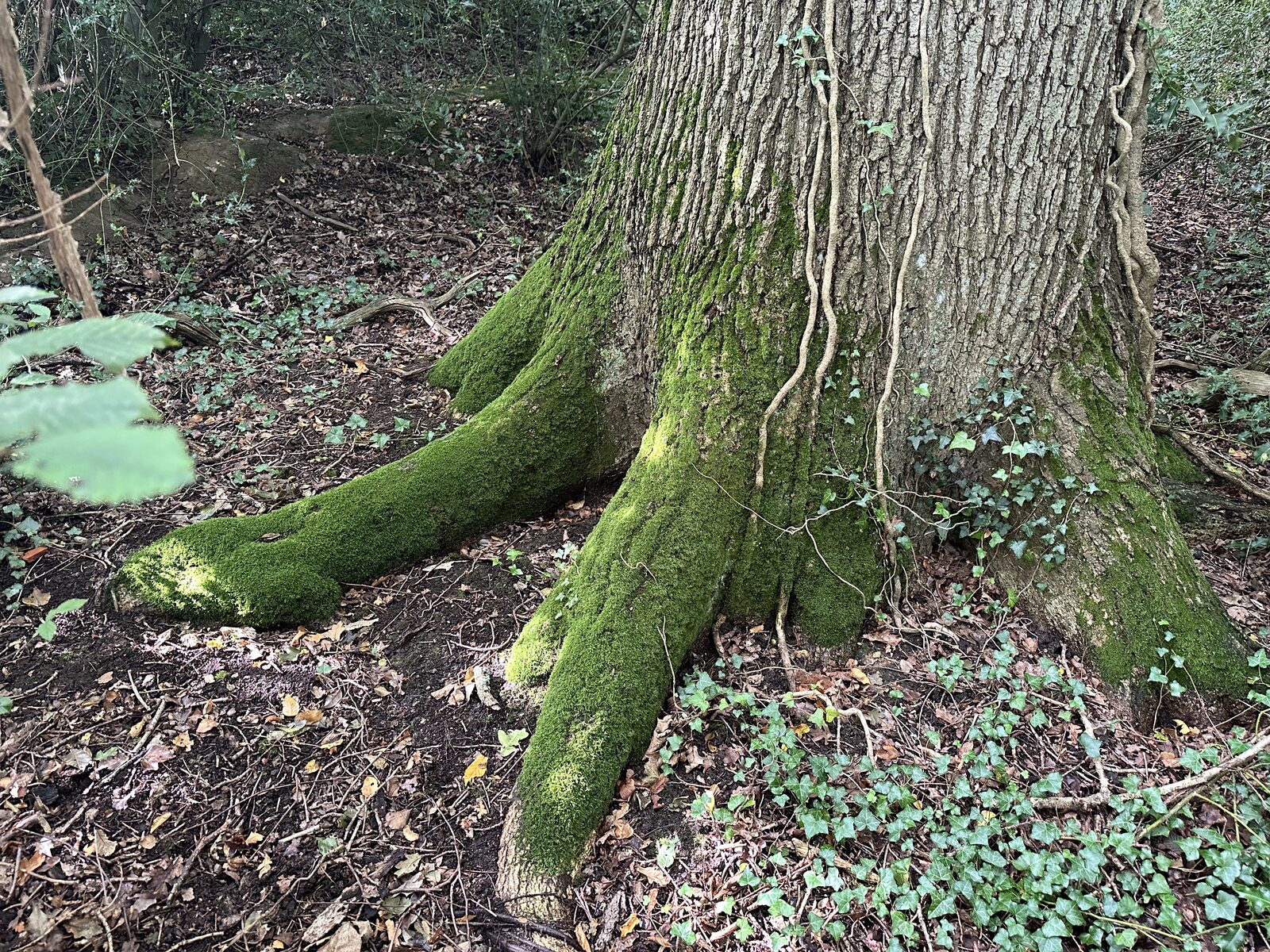
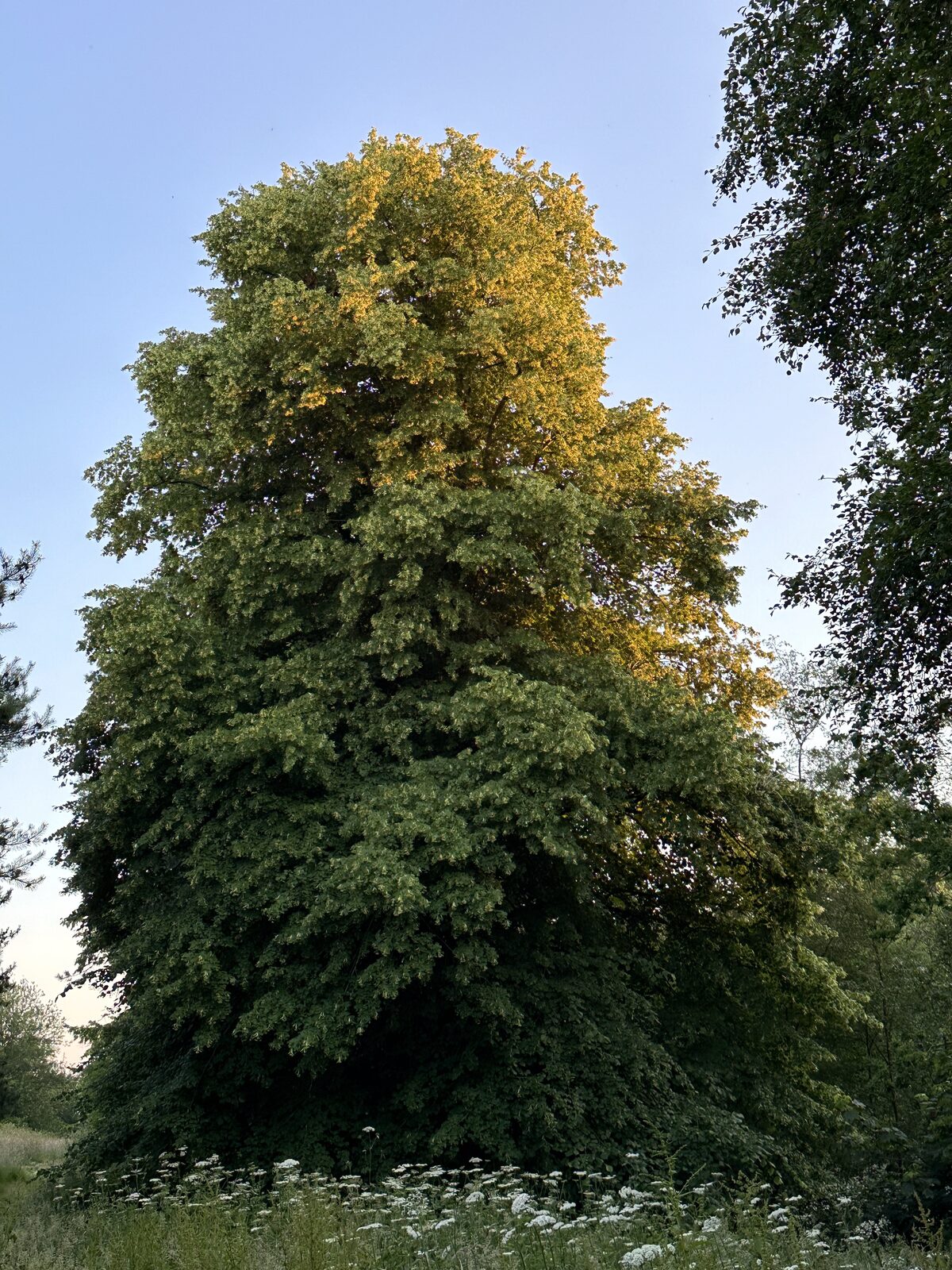
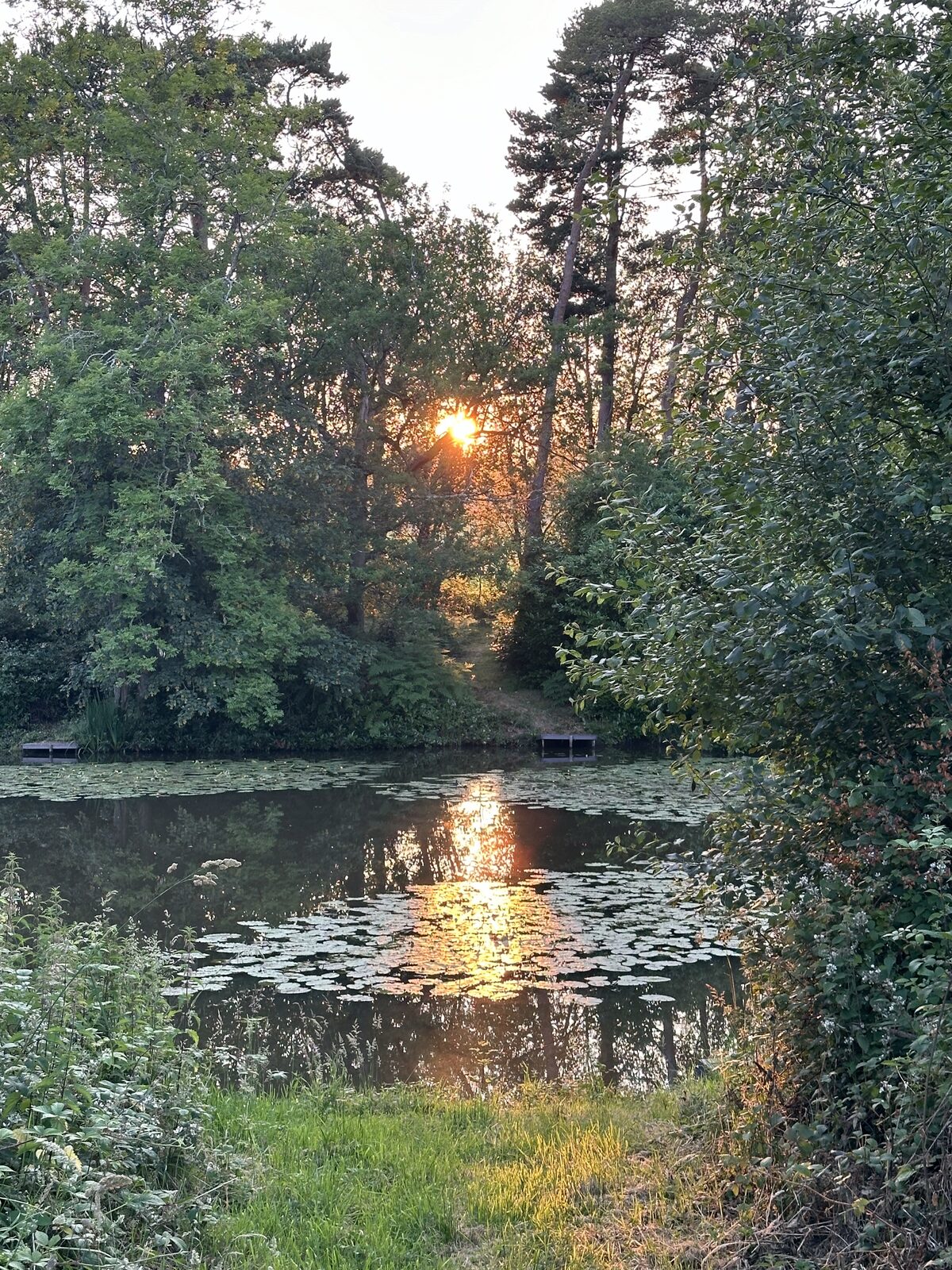
Bay Pond Shaw is a 13.6-acre working estate in the High Weald National Landscape — one of the most biodiverse and historically significant rural landscapes in England. The estate encompasses ancient oak and alder woodland, a medieval hammer pond, spring-fed gill streams, unimproved wildflower meadow, and a managed smallholding.
Educational visits at Bay Pond Shaw are not field trips to an interpretive centre. They are visits to a functioning place, led by people who understand it from the inside. Students walk the same ground that ironworkers walked in the sixteenth century. They identify the same species combinations that have characterised this ancient woodland for centuries. They handle the same soil types that have shaped the High Weald's distinctive character for ten thousand years.
All educational visits are tailored to the group's specific curriculum requirements or learning objectives and arranged by direct enquiry only. We do not operate a standard programme with fixed dates — every visit is designed around the group.
Bay Pond Shaw is not a visitor attraction. It is a conservation estate that opens its land to educational groups on the understanding that the visit serves both the group's learning objectives and the estate's wider purpose of making its ecology legible to the people who will eventually be responsible for landscapes like it.
Each visit is built around one or more of the estate's three principal educational themes. These themes are not independent disciplines — on a living estate, they are deeply intertwined. Visits can be structured to focus on a single area or to show how all three connect.
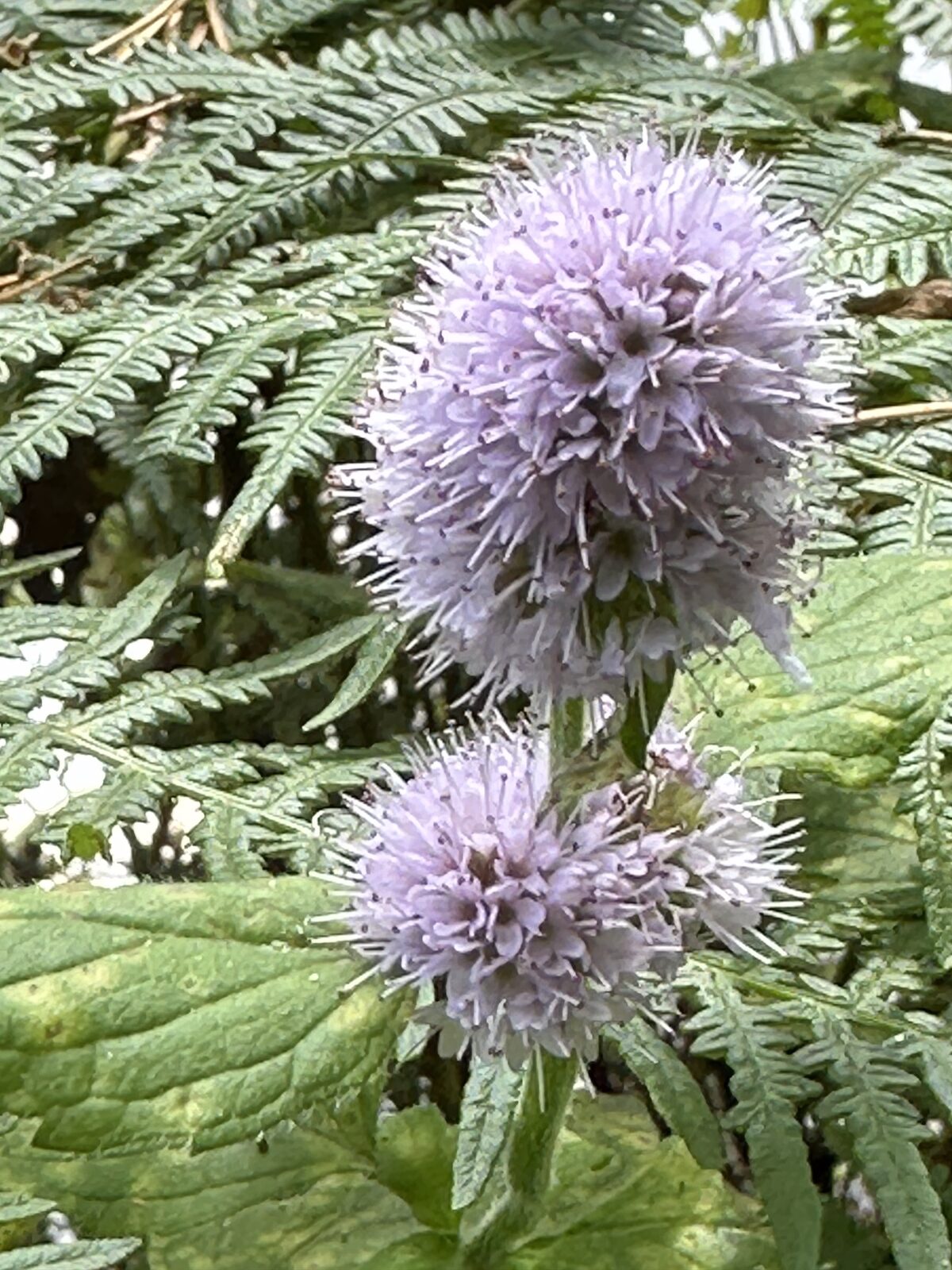
The estate's freshwater, woodland, and meadow habitats support a documented range of species communities that make it an unusually productive site for field ecology teaching. The hammer pond supports a bat community of notable complexity. The gill streams carry invertebrate assemblages indicative of exceptional water quality. The ancient woodland ground flora reflects centuries of undisturbed succession.
Ecology sessions at Bay Pond Shaw are structured around direct field observation, collection, and identification, using the estate as the subject of enquiry rather than as a backdrop for abstract learning. Students work with standard field sampling methods and record their findings within the estate's ongoing ecological monitoring programme.
Curriculum relevance: GCSE and A-Level Biology, Environmental Science, Geography (physical), Natural History GCSE. Also appropriate for Level 3 animal management, conservation, and countryside management courses at further education level.
Bay Pond Shaw sits within the most concentrated iron-working landscape in medieval England. The hammer pond at the estate's centre was constructed as part of a water-powered bloomery operation — the dam, the sluice line, and the forge site are all traceable in the landscape today. Estate heritage maps showing the principal earthwork features are provided to group leaders on request before the visit. The ancient woodland carries the charcoal-working history of this industry in its coppice structure, its boundary earthworks, and the specific assemblage of tree species that reflect centuries of managed use.
Heritage visits at Bay Pond Shaw engage students directly with this layered landscape, reading the evidence of past human activity in the ground beneath their feet. This is not the interpretation of artefacts — it is the direct reading of a landscape that has not been significantly altered since the industry that shaped it ceased in the early eighteenth century.
Curriculum relevance: GCSE and A-Level History, Archaeology, Geography (human), Local Studies, and Extended Project Qualification field research. Also appropriate for history of technology, industrial archaeology, and rural history modules at HE level.
The estate is managed under a long-term conservation plan that covers its woodland, water body, grassland, and farmland components. Students visiting Bay Pond Shaw can engage directly with the practical decisions and methods that constitute contemporary conservation land management — not as a case study, but as an active, ongoing programme.
Land stewardship sessions can include practical conservation tasks (where appropriate to season and estate need), detailed discussion of the management plan's objectives and methods, and direct engagement with the trade-offs and tensions that characterise real conservation work: between agricultural productivity and habitat value, between public access and ecological sensitivity, between short-term management interventions and long-term landscape change.
Curriculum relevance: Level 3 and higher conservation, countryside, land-based, and environmental management programmes. Also appropriate for geography fieldwork at A-Level and undergraduate level, and for conservation volunteering groups requiring a structured, ecologically substantive working visit.
Every visit is tailored to the group, but the structure below gives group leaders a working idea of how a full-day educational visit at Bay Pond Shaw is shaped. Half-day visits compress to either the morning or afternoon block.
10:00 — Arrival & Orientation
Welcome briefing at the estate entrance. Safety, ecology protocol, and estate overview. Introduction to the three landscape zones the group will work in.
10:30 — Field Session One
Woodland or lake margin work. Habitat identification, invertebrate sampling, botanical survey, or heritage earthwork reading — dependent on programme focus and season.
12:30 — Break
Groups use the estate meadow for lunch. No canteen or catering on site — groups bring their own. The estate shelter is available for cover.
13:15 — Field Session Two
Meadow, gill stream, or conservation management practical. Results recording and data compilation. Discussion of management decisions and trade-offs on the estate.
14:45 — Debrief & Departure
Group leader debrief, findings review, and take-home data handover. Departure by 15:30 unless extended visit arranged in advance.
Risk Assessment
A site-specific generic risk assessment is provided to all group leaders at the time of booking. Groups are expected to supplement this with their own establishment RA prior to the visit.
All group visits are arranged directly with the estate. The following practical information is provided to assist group leaders in assessing the suitability of a Bay Pond Shaw visit before making contact.
Maximum group size is 30 students plus accompanying adults. Larger groups can be accommodated across two separate visits or, in some cases, as a split-site day with staggered programme delivery. This limit reflects the ecological sensitivity of the estate's key habitats and is not subject to negotiation.
Standard visits are structured as full days (approximately 9:30am to 3:30pm). Half-day visits are available for specific, narrowly focused programmes. All visits are day access only.
The estate has basic outdoor facilities appropriate for day visits: covered outdoor shelter, composting toilet provision, and potable water. The estate does not have a visitor centre, permanent indoor teaching space, or catering provision. Groups must bring packed lunches and be equipped for outdoor working in all weather conditions.
Mobile signal is excellent across the estate — 4G coverage is strong and reliable on all major networks. Group leaders can remain in contact with their institution throughout the visit without difficulty. There is no wi-fi on site.
The estate's terrain is predominantly unimproved rural ground — uneven, occasionally wet underfoot, and without formal paths. The estate is not currently accessible to wheelchair users for the majority of its area. Groups should discuss accessibility requirements at the point of enquiry so that a suitable programme can be agreed.
A site-specific risk assessment for educational visits is available on request and must be reviewed by the group leader prior to the visit. The estate will provide a completed premises hazard register as standard. Group leaders are responsible for their own institution's risk assessment documentation and pupil welfare protocols.
Bay Pond Shaw is located at Risden Lane, Sandhurst, Cranbrook, Kent TN18 5HP. The estate is not accessible by public transport for group visits. Risden Lane carries a 6ft 6in width restriction — coaches cannot access the estate. Groups must arrive by minibus or cars only. Parking for up to 20 vehicles is available within the estate approach lane.
All estate staff and regular volunteers who will be present during educational visits hold current DBS certificates. The estate lead for educational visits can provide documentary evidence of this on request. All group leaders are expected to maintain their own institution's safeguarding protocols throughout the visit.
Visit fees are agreed individually based on programme content, group size, and duration. The estate's educational programme is intended to be genuinely accessible to state secondary schools and further education colleges, and fees are structured accordingly. Bursary arrangements are available for visits that would otherwise be unaffordable — please enquire directly.
Deposit to Confirm
50%
Of the educational visit total, payable at the time of reservation to confirm your booking.
Balance Due
14 days
Before the educational visit. Payment by bank transfer (BACS). Details confirmed on booking.
Weather Policy
Educational visits run in all reasonable weather — outdoor learning includes all seasons and conditions. We ask groups to attend prepared for outdoor conditions. In genuinely exceptional circumstances where access is unsafe, the estate will offer a full reschedule at no charge.
Cancellation & Rescheduling
The 50% deposit is non-refundable in all circumstances — it secures your exclusive date. If your plans change, rescheduling is often the better option.
All cancellations must be confirmed in writing by email. Notice is calculated from the date written notification is received. Full terms are set out in the booking confirmation.
“The best thing we can do for the landscape is make sure the next generation knows it intimately enough to care whether it survives.”Bay Pond Shaw — Education Programme
To arrange an educational visit, please contact us with the name of your institution, the year group and subject area, your proposed visit dates, approximate group size, and the curriculum objectives or learning outcomes you are working towards. We will respond to all substantive enquiries within five working days.
Guide Rate — Educational group visit rates on request — confirmed at enquiry. Typically priced per group, not per head. Rate covers the full estate for one school party. Programme content tailored to group and curriculum requirements. All fees confirmed at the point of enquiry.
Submit a Group Visit Enquiry