
The Land
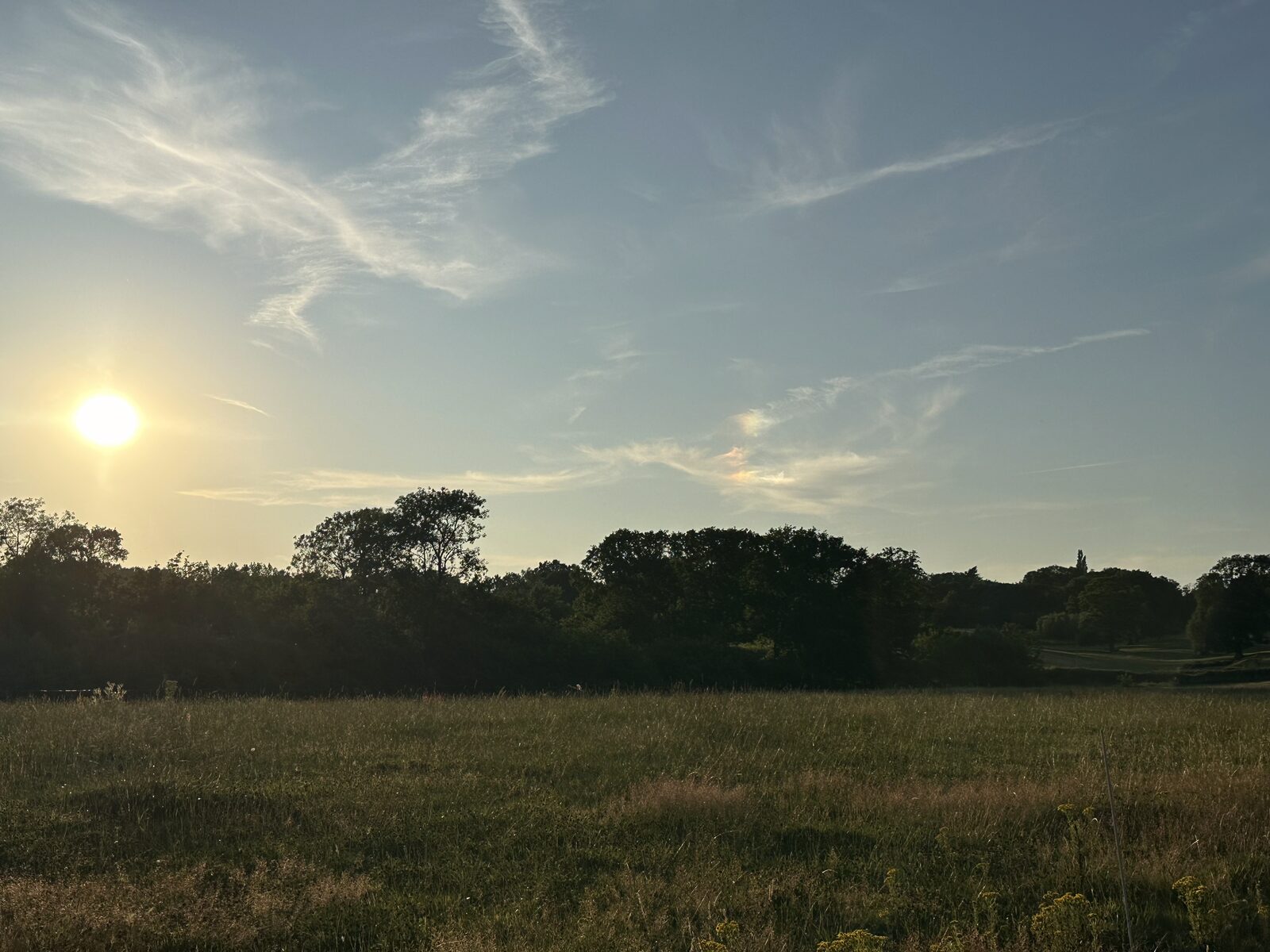
13.6 acres of the High Weald National Landscape. Ancient, intact, and managed for permanence.
The Land in Brief
- 13.6 acres of the High Weald National Landscape, managed as one ancient system
- Three ecological zones — ancient gill woodland, open meadow, and water
- Ecology-first protocol — no industrial inputs, no artificial drainage
- Strictly private — access by direct arrangement only
Thirteen Acres. One Ancient System.
Bay Pond Shaw sits within the High Weald National Landscape — a protected designation that recognises the exceptional character and complexity of the ancient forests, hammer ponds, and gill stream systems that define this corner of Kent and East Sussex.
The estate is 13.6 acres in its entirety, bounded by ancient hedgerow, managed woodland edge, and the natural watercourse lines of the High Weald clay. It is not a curated park or a designed visitor landscape. It is a functioning ecological system — one that has been allowed to develop without industrial interference for over a century.
The estate is managed under an ecology-first protocol established at the outset: conservation outcomes govern all decisions. Commercial use is permitted only where it funds and justifies the land's long-term stewardship.
Three Distinct Ecological Zones
The 13.6 acres divide across three primary landscape types, each with its own ecology, management regime, and seasonal character.
Ancient Gill Woodland
The woodland at Bay Pond Shaw is ancient — a classification that denotes continuous tree cover since at least 1600 AD, and in many cases long before. The dominant species follow the characteristic High Weald pattern: pedunculate oak, sweet chestnut, and alder carr along the gill margins, with hazel understorey, bluebell ground flora, and a rich lichen and bryophyte community throughout.
The estate also holds several notable specimen trees beyond the ancient woodland canopy: a mature lime and a stand of dawn redwoods — the latter a ‘living fossil’ species, unknown to science until rediscovered in China in 1944, and rarely found established in English countryside estates of this character.
No commercial forestry operations have taken place on the estate. The woodland is managed by selective coppice rotation and deadwood retention — practices designed to maintain structural diversity and maximise habitat value for invertebrates, woodland birds, and bats.
Threading through the ancient woodland is the gill stream system that feeds the hammer pond — clearwater channels over ironstone and sandstone that support water crowfoot, water mint, and invertebrate populations indicative of exceptional water quality. The gill streams are a designated priority habitat under the UK Biodiversity Action Plan.
Ancient woodland is irreplaceable. Once cleared, the full ecological complexity of a High Weald gill woodland cannot be reconstructed within any human timescale.
Open Wildflower Meadow
The 5.5-acre Back Meadow at Bay Pond Shaw has been managed without herbicide or fertiliser application for a sustained period. The consequence is a grassland community of increasing ecological value: knapweed, oxeye daisy, yellow rattle, ragged robin, betony, common spotted orchid, and a steadily diversifying sward that supports a documented range of grassland invertebrates and foraging bats at dusk.
Yellow rattle — the parasitic annual that weakens coarse grasses and opens space for wildflower colonisation — is established and spreading across the lower meadow. Its presence is the most reliable indicator that the grassland is moving in the right ecological direction. Unimproved meadow of this quality, with an intact seed bank and no history of reseeding, is a genuinely rare land type in the High Weald.
The meadow is cut once annually in late summer following seed set, with all arisings removed to maintain low soil fertility — the orthodox prescription for species-rich hay meadow under a High Weald National Landscape management obligation. Bat survey data confirms regular use of the meadow margin and the hedge line by common pipistrelle, soprano pipistrelle, and Daubenton's bat foraging over the adjacent water.

The Hammer Pond & Margins
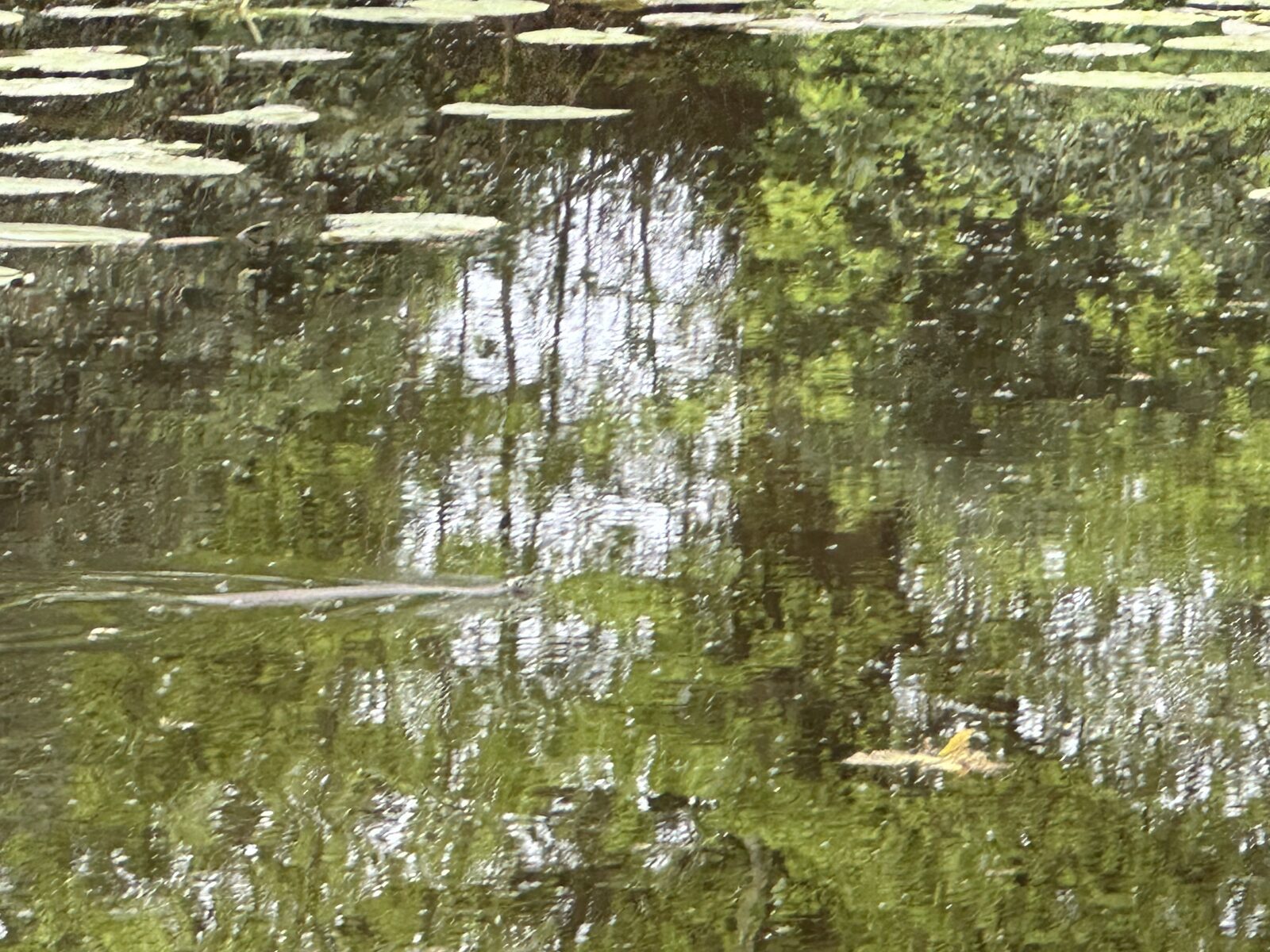
The 1.3-acre medieval hammer pond and its surrounding marginal habitat form the ecological centrepiece of the estate. The lake margins carry sedge, yellow iris, and fern communities of high invertebrate value. The open water supports breeding kingfisher, heron, and a diverse aquatic invertebrate assemblage.
The lake is fed entirely by spring water rising through the High Weald clay — a self-sustaining hydrological system with no artificial water supply. Water quality is consistently high and subject to informal monitoring as part of the estate's conservation record.
Read About The Lake
“The land is not managed for visitors. Visitors are permitted because they fund the management of the land.”Bay Pond Shaw — Estate Management Protocol
Private Estate Access
All access to Bay Pond Shaw is arranged by direct enquiry. The estate does not operate a public open-day programme or walk-in visitor policy.
Submit an EnquiryThe Estate Has a Different Character Every Season
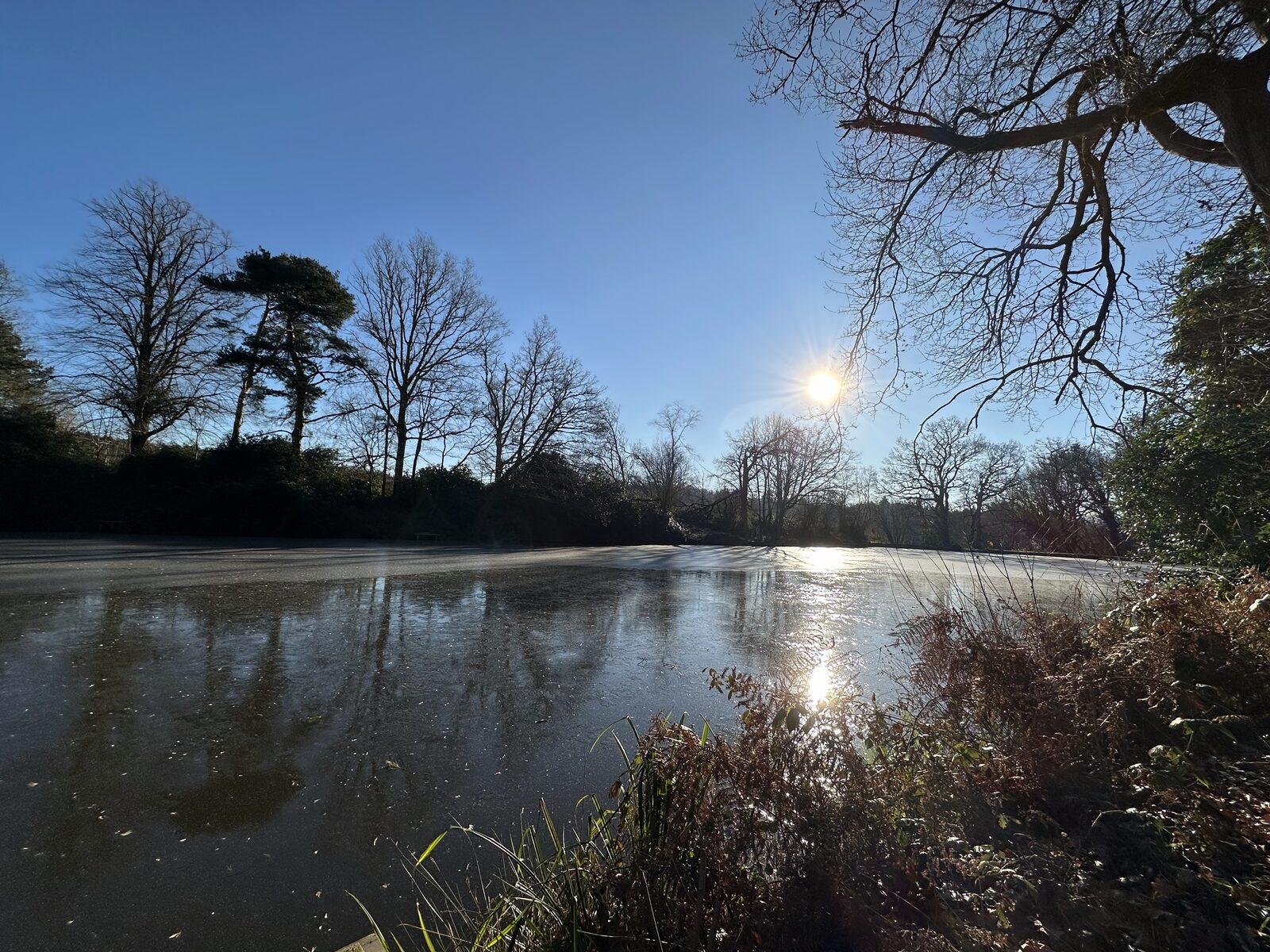
Spring brings bluebells through the gill woodland and the first tench bite at the lake margins. Summer is the meadow at its fullest — yellow rattle, oxeye daisy, the lake in lily. Autumn turns the coppice gold and drops the water temperature towards the winter carp fishing window. Winter reveals the full architectural structure of the ancient woodland and, in hard frosts, ices the lake surface entirely. There is no bad time to be here. There is only a different kind of good.